Yes — you can get a D2C or niche brand cited by AI search in under a month. It's not magic, it's "entity clarity": AI ignores brands that look like generic forums and cites the ones with clear authorship, structured data, and content that answers questions directly. The payoff is traffic from Bing, DuckDuckGo, and ChatGPT recognizing your site as a source. It's sessions, not sales — but you can't sell to someone who can't find you.
I used to think AI search was just SEO with a new name. I was wrong. It's about being known by the machine.
Last month I worked with a classic-car marketplace. They were invisible in AI answers — ask "where to buy a vintage Mustang" and ChatGPT named forums or eBay, not them. We didn't change their product. We didn't run ads. We changed how they spoke to the machine.
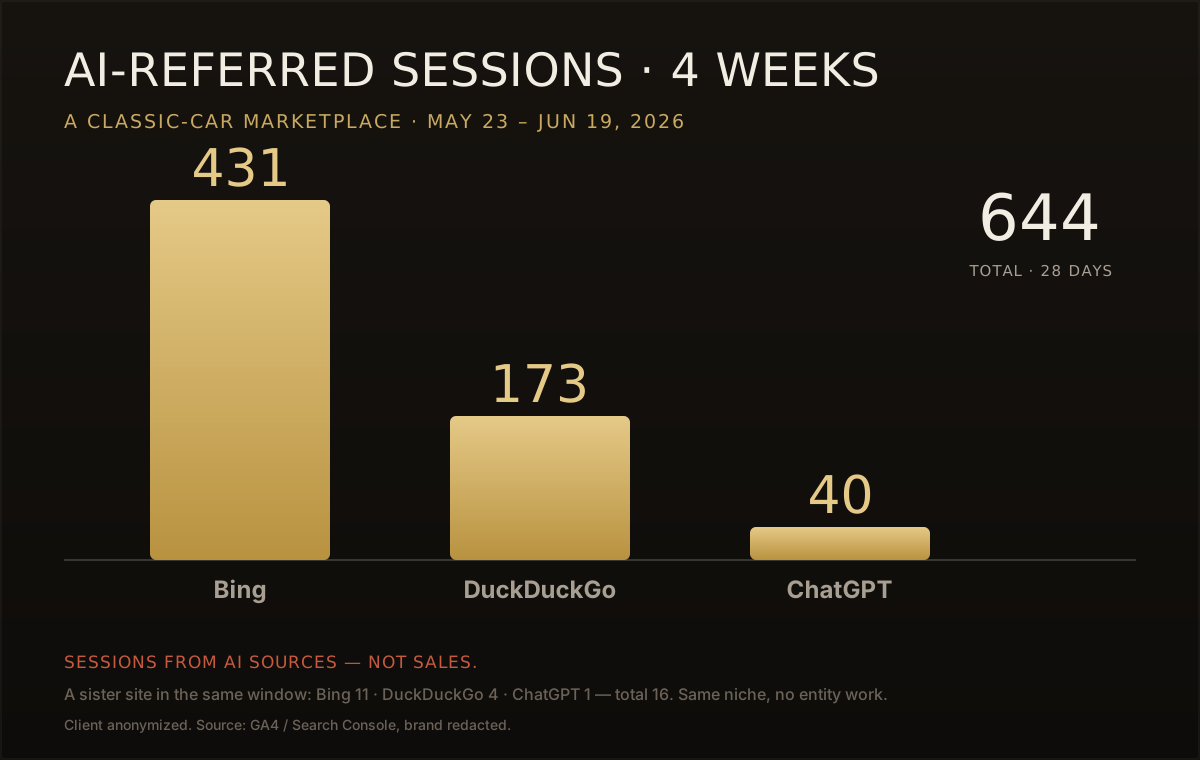
How much traffic can you get from AI in a month?
In a 4-week window we tracked sessions coming specifically from AI interfaces — not direct visits, not Google organic. Bing sent 431, DuckDuckGo 173, ChatGPT 40. Total: 644 sessions in 28 days.
644 people found them because an AI model decided their site was a good answer — not because they clicked a blue link. This is not sales. It's awareness. These are sessions. We don't know if anyone bought a car. But they came from a place the brand never existed before.
Now compare a sister site in the same window — same niche, similar inventory, no entity work:
| Site | Bing | DuckDuckGo | ChatGPT | Total |
|---|---|---|---|---|
| With entity work | 431 | 173 | 40 | 644 |
| Sister site (none) | 11 | 4 | 1 | 16 |
The difference isn't luck. It's entity clarity. The first site taught the AI models who they were. The second looked like noise.
Why did Bing drive more than ChatGPT?
Bing powers a lot of AI search and rewards clear, structured data — and it passes that trust to its AI layer, so the numbers there move first. ChatGPT is harder: it leans on its own crawl plus training data, and it took the smallest slice here. DuckDuckGo sat in the middle. Different engines, different speeds — which is exactly why you measure all of them, not just one.
Is this traffic or sales?
I have to be clear: this is traffic, not sales. The 644 were visits. We didn't track conversions in this audit, and the path from an AI answer to a purchase is longer — people ask, read, click, research, then buy later, or don't.
But without these sessions you have zero chance of sales from AI. You're invisible. With them, you're in the conversation.
What moves the needle most?
Entity clarity. Every page states who you are, what you do, and why you're credible — in plain words and in structured data. Write for humans, structure for machines, and answer the "why" and "how," not just the "what."
That's the work I do for D2C and ecommerce brands. Here's how I can help.
FAQ
How long does it take to get cited by AI?
It can happen in about 4 weeks if your site is already structured well. From a standing start, expect a couple of months of groundwork before meaningful citations.
Can small brands get cited by ChatGPT?
Yes. Niche brands with real expertise are often favored over generic big brands — AI cites you for specificity.
Is this traffic or revenue?
Traffic. These are AI-referred sessions, not tracked sales. Treat the numbers as visibility, not a revenue claim.
Does this replace traditional SEO?
No. It complements it. You still want to rank in Google; now you also need to be readable and citable by AI.
← All posts